Erasmus country guide

Erasmus in Argentina: cities, student life, costs and how to build a social semester

Students searching for Erasmus in Argentina usually want a semester with strong urban culture, Spanish-language immersion, visible social life and a bigger cultural shift than the classic European route. This pillar page connects the active Argentina city guides in the Unera cluster and helps students compare Argentina with more traditional Erasmus destinations.

Country pillar

Introduction to Erasmus in Argentina

Students searching for erasmus Argentina or erasmus in Argentina usually mean an exchange or study abroad semester in Argentina. The real planning questions are the same either way: which city fits your routine, how volatile the budget feels, how easy it is to meet people, and whether you want a huge capital-city experience or a more compact university rhythm.

Student life in Argentina tends to grow through repeated city habits rather than formal exchange structure alone. Shared dinners, mate or coffee after class, plaza routines, student centers, language exchange, WhatsApp groups, nightlife, cultural plans and neighborhood repetition usually matter more than one official welcome week.

Use this page as the top-level SEO entry for Argentina, then move into the city guides when you need local detail. The full country system starts from /erasmus-countries, while the city directory sits at /erasmus-cities.

Why Argentina

Why choose Argentina for Erasmus or study abroad

Argentina gives exchange and international students a different kind of semester from the standard southern European route. The appeal is not only nightlife or weather. It is the mix of Spanish-language immersion, strong urban culture, visible student habits and a more distinct social and cultural shift.

The biggest advantage is city contrast inside one country. Buenos Aires is large and international, Cordoba is student-dense and easier to read, Rosario is balanced and river-led, and Mendoza is more compact and outdoor-oriented. Argentina gives more than one version of student life.

The main tradeoff is volatility. Budget assumptions, exchange-rate logic and everyday prices can change faster than in many European destinations, so students do better when they plan with a buffer and build flexible routines instead of relying on fixed online estimates.

Student life

Student life in Argentina

Student life in Argentina usually grows through neighborhoods and repeated informal plans. Shared dinners, cafes, plazas, music, bars, student centers, football, cultural events and friend-of-friend introductions often matter more than one centralized Erasmus infrastructure.

International students in Argentina should expect mixed circles. Some contacts come through the host university and exchange office, others through housing, faculty networks, language exchanges, nightlife, local classmates and neighborhood routines.

The first month matters because social life rewards repetition. Students who choose a few useful neighborhoods, show up repeatedly and stay open to smaller plans usually settle faster than students who keep treating the city like a list of one-off experiences.

Costs

Cost of living in Argentina for students

The cost of living in Argentina is harder to summarize with one fixed number than in many Erasmus destinations. Rent, groceries, transport and social spending can shift with inflation and exchange-rate movement, so online budgets age quickly.

Buenos Aires usually puts the most pressure on rent and everyday spending, while Cordoba, Rosario and Mendoza can feel more manageable if housing is chosen well. But the more important rule is to build a buffer and review your budget during the semester instead of assuming the first estimate will stay accurate.

Daily life often stays more manageable when students use shared cooking, local supermarkets, public transport, neighborhood cafes and repeatable social habits instead of treating every week like a travel itinerary. In Argentina, routine matters financially as much as location.

Best cities for Erasmus in Argentina

Choose the Argentina city that fits your student rhythm.

This is the country pillar for all active Argentina city pages. Every city below has its own local guide, and each Argentina city page routes back to this page.

Erasmus in Buenos Aires

The broadest and most international Argentina route, strongest for scale, nightlife, cultural density and university variety. Choose it if you want a major capital city, visible international life and the widest social map in the country.

Erasmus in Cordoba

Argentina's clearest classic student-city route, with strong university identity, compact social zones and faster student-to-student routine. Choose it if you want a city that feels younger, more campus-led and easier to understand than Buenos Aires.

Erasmus in Rosario

A river city with lower social friction than the capital, balancing urban life, student routine and a more breathable pace. Choose it if you want a medium-size city with nightlife, waterfront rhythm and less overwhelm.

Erasmus in Mendoza

The most outdoor-oriented route in the Argentina cluster, mixing university life with wine-country, mountain weekends and a more compact daily map. Choose it if you want a manageable city, strong lifestyle quality and a semester shaped by both campus and outdoors.

Universities

Universities in Argentina

Argentina has a broad higher-education ecosystem for exchange and international students, with large public universities, private universities and city-specific academic cultures that shape student life very differently.

In the active Unera Argentina cluster, the most visible institutions include the University of Buenos Aires, Pontifical Catholic University of Argentina, Torcuato Di Tella University, National University of Cordoba, Catholic University of Cordoba, National University of Rosario, National University of Cuyo and University of Mendoza.

Students should choose the city as carefully as the university. Official Argentine guidance also recommends checking whether the institution and its degrees are officially recognized before committing, which matters when students compare private schools, language programs and university exchanges.

Events

Erasmus events and social life in Argentina

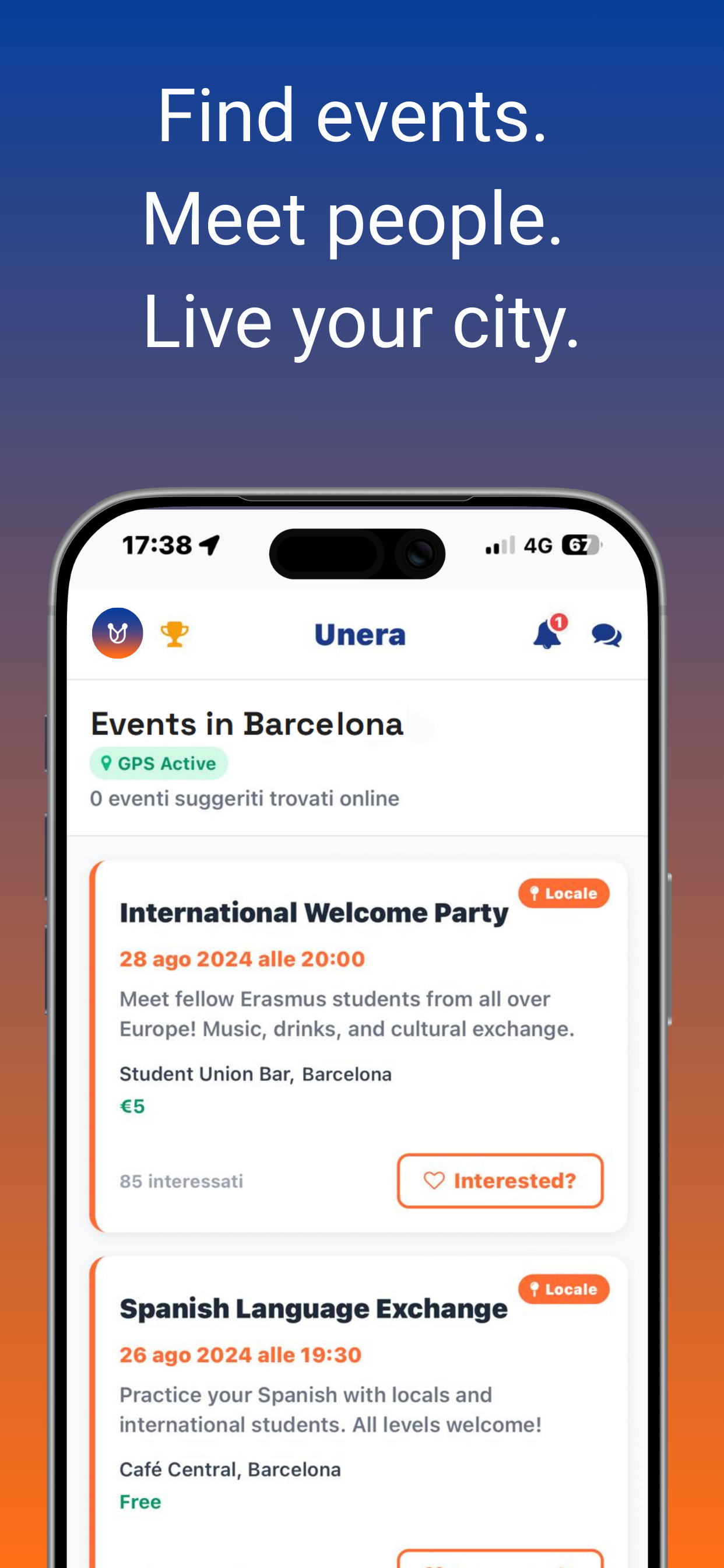
Events in Argentina are active, but discovery is fragmented. Students usually find plans through exchange offices, faculty centers, WhatsApp groups, Instagram accounts, student associations, bars, cultural calendars, language exchanges and friend-of-friend invitations.

The most useful plans are the ones that create follow-up. Welcome events, shared dinners, terrace nights, cultural meetups, football plans, river or park hangouts and neighborhood bars are usually better for building friendships than one-off promoter nights alone.

Buenos Aires, Cordoba, Rosario and Mendoza explain their social maps inside the city guides because in Argentina the city rhythm matters more than pretending the whole country follows one identical event model.

Meeting students

How to meet students in Argentina

The fastest route is to combine university entry points with local habit. Use the exchange office, classes and student groups first, then keep returning to the same neighborhoods, cafes, bars or parks so first contact has a chance to become routine.

Students do especially well in Argentina when they stop waiting for one official Erasmus layer and instead build two or three steady routes: one campus-based, one neighborhood-based and one social-interest route such as sport, language exchange or cultural plans.

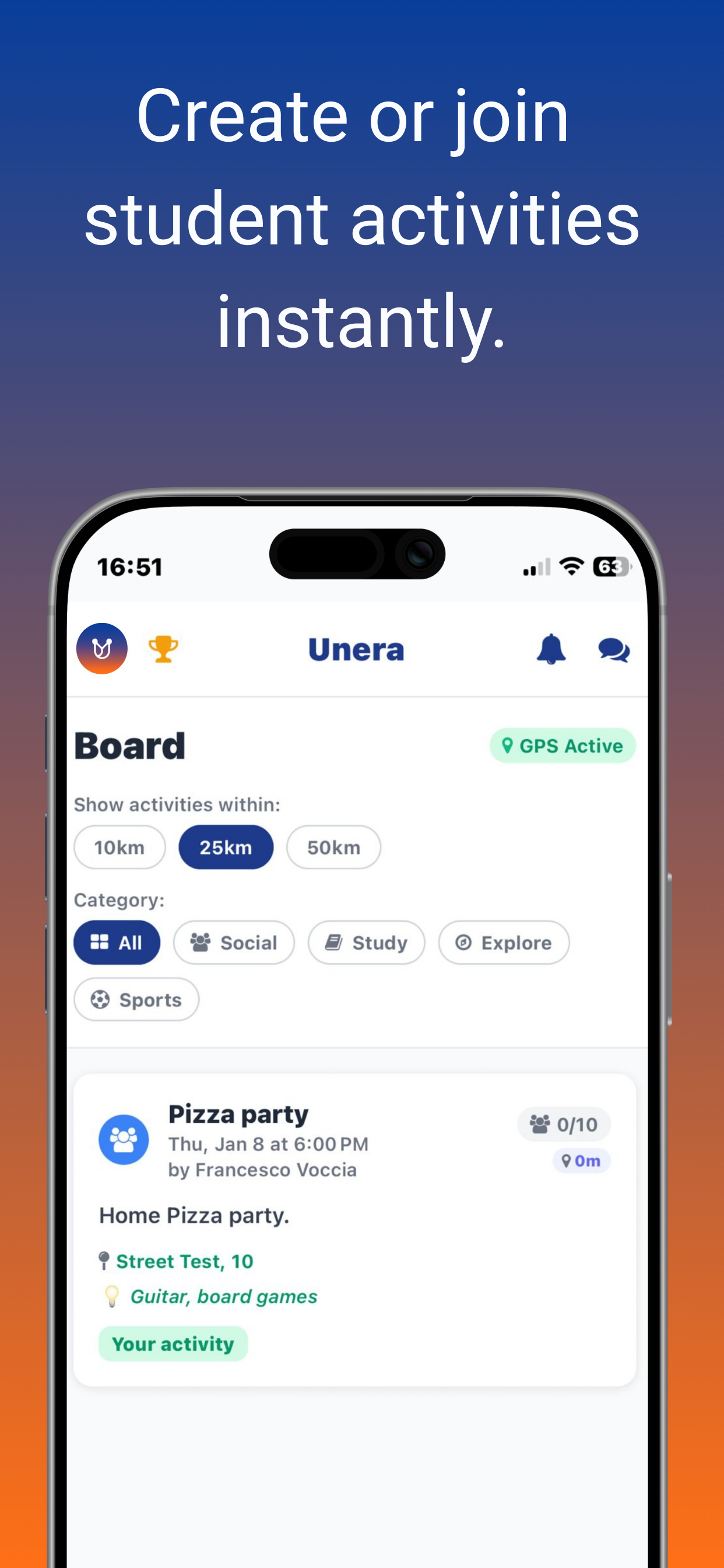
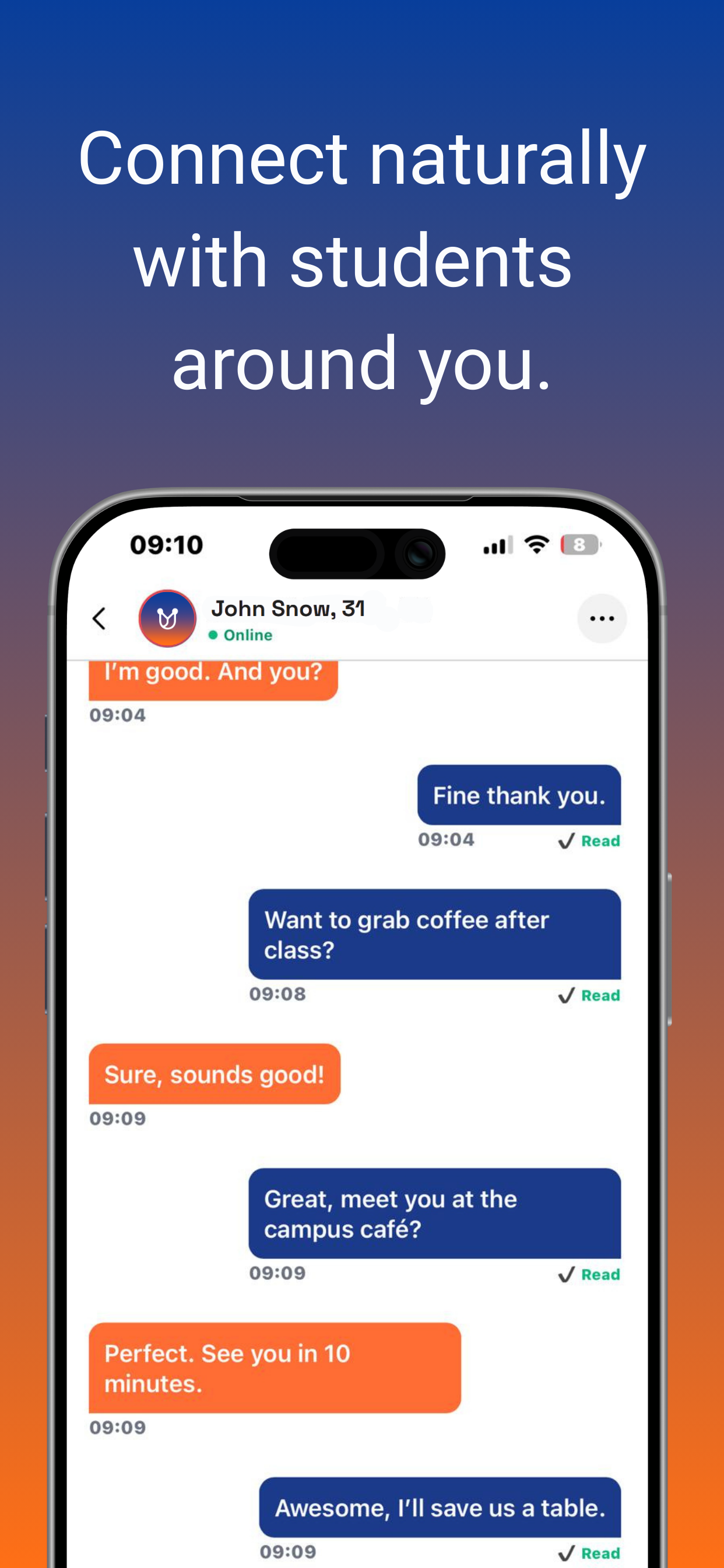
Unera helps by connecting nearby students, plans and chat in one place, which matters when student discovery is scattered across different groups, neighborhoods and messaging channels.

Nightlife

Nightlife and culture in Argentina

Nightlife in Argentina is not only clubbing. For many students, the real social layer is late dinners, bars, plazas, live music, cultural centers, pre-drinks at home, football plans, riverfront evenings and the long transition from dinner into later plans.

Buenos Aires and Cordoba are the clearest nightlife contrasts: Buenos Aires gives more scale and cultural range, while Cordoba feels younger and more student-led. Rosario and Mendoza offer softer, more readable versions of the same social energy.

Culture is part of student life rather than a separate tourist layer. Food, Spanish, music, local festivals, football, bookstores, museums, wine-country weekends and mountain trips become social tools when students use them to repeat contact instead of only consuming the destination.

Practical tips

Practical tips for studying abroad in Argentina

Housing: start early, verify the neighborhood properly, and choose for routine rather than only aesthetics. A cheaper room with a bad daily route can cost more in time, transport and lost social energy.

Visa and residence: official Argentine guidance distinguishes between shorter and longer student visas, and students may also need migration steps after arrival depending on the route. Prepare passport, admission documents and any apostilled or translated paperwork early, then confirm the full process with your host university and official Argentine consular or migration guidance.

Transport and money: learn local transport cards and payment habits quickly, and do not plan the semester around one fixed exchange-rate assumption. Argentina rewards students who review their budget regularly.

Lifestyle: basic Spanish helps a lot, late dinners are normal, and social life often opens faster when you accept casual invitations early instead of waiting for perfectly organized plans.

Comparison

Argentina vs other Erasmus destinations

Argentina vs Italy: Argentina usually gives a bigger cultural and logistical shift, more budget volatility and less easy weekend mobility, while Italy offers stronger classic Erasmus infrastructure and easier movement inside Europe. Compare both if you want to choose between a more familiar European semester and a more distinct Latin American immersion.

Argentina vs Spain: Spain is usually easier for students who want the classic late-night European Erasmus pattern, beach-city variety and shorter-haul mobility inside Europe. Argentina often feels more culturally immersive, less standardized and more dependent on city-specific routine and local adaptation.

Argentina vs France: France often feels more formal, metropolitan and institutionally structured, while Argentina usually feels more socially direct, less rigid in everyday interaction and more shaped by neighborhood habit than by institutional polish.

Argentina vs Germany: Germany is usually easier for predictability, infrastructure and budget planning, while Argentina feels more flexible, more volatile and often more spontaneous in everyday social life. Compare both if you care about the balance between structure and social looseness.

Unera

Use the country page to choose the route. Use Unera to build momentum.

Unera is built for the part of study abroad that generic destination guides do not solve: finding nearby students, discovering useful plans, starting conversations and keeping momentum after the first week.

In Argentina, this matters because student discovery is fragmented across universities, neighborhoods, WhatsApp groups, nightlife, language exchanges and local contacts. Unera brings the people and plan layer closer together.

1

Find nearby students

See people around your city with more context than anonymous group chats.

2

Discover practical plans

Use events and local context to find plans that can become repeated contact.

3

Keep follow-up moving

Turn first meetings into chat, follow-up and a real student routine.

FAQ

Useful questions about Erasmus in Argentina

Is Argentina good for Erasmus or study abroad students?
Yes. Argentina is a strong route for students who want Spanish-language immersion, visible city culture, a more distinct cultural shift than the usual European route and several city types inside one country.
Can you do Erasmus in Argentina?
Students often use erasmus in Argentina as shorthand for exchange or study abroad in Argentina. Depending on your university, the semester may run through an Erasmus+ partnership or through a separate bilateral exchange, but the planning questions around city choice, housing, budget and social life are similar.
What are the best cities for international students in Argentina?
In the active Unera Argentina cluster, the main city guides are Buenos Aires, Cordoba, Rosario and Mendoza. Buenos Aires is strongest for scale and international life, Cordoba for classic student density, Rosario for balanced river-city rhythm and Mendoza for compact living plus outdoor access.
Is studying abroad in Argentina expensive?
Argentina is harder to summarize with one fixed budget because prices and exchange-rate assumptions can shift during a semester. Buenos Aires usually puts the most pressure on rent, while Cordoba, Rosario and Mendoza can feel more manageable, but students should still budget with a buffer.
How do students meet people in Argentina?
Most students meet people through classes, exchange offices, student centers, housing, language exchange, nightlife, cultural plans and repeated neighborhood routines. Tools like Unera help connect nearby students and plans when those channels are scattered.
Do international students need a visa for Argentina?
Rules depend on nationality, study length and route. Official Argentine guidance distinguishes between shorter and longer student visas, and some students also need migration steps after arrival. Students should verify the process with their host university and official Argentine consular or migration guidance before departure.
Download

Download Unera before your study abroad semester in Argentina starts

Use Unera to discover nearby students, find local plans and turn your first weeks in Argentina into real social momentum.

Unera app social feed preview