Erasmus country guide
Erasmus in Japan: cities, student life, costs and how to build a social routine
Japan is a strong study abroad route for students who want safe cities, high-functioning transport, strong university ecosystems and a semester shaped by routine, campus circles and culture rather than only nightlife. This pillar page connects the active Japan city guides in the Unera cluster and helps students compare Japan with more classic Erasmus destinations.
Country pillar
Introduction to Erasmus in Japan
Students searching for erasmus Japan or erasmus in Japan usually mean an exchange or study abroad semester in Japan. The practical questions are the same either way: which city fits your routine, how much daily life costs, how easy it is to meet people, and how much language and logistics shape the semester.
Student life in Japan usually grows through structure and repetition more than instant social chaos. Tokyo, Kyoto, Osaka and Fukuoka all offer different versions of study abroad in Japan for exchange and international students.
Use this page as the top-level SEO entry for Japan, then move into the city guides when you need local detail. The full country system starts from the Erasmus countries hub, while the city directory sits at Erasmus cities.
Why Japan
Why choose Japan for Erasmus or study abroad
Structure supports the semester
Japan gives international students a rare mix of safety, transport reliability, strong universities and a clear sense of everyday structure. It works especially well for students who want the semester to feel different in a deep daily way, not only in a tourist way.
One country, several city types
Tokyo is broad and intense, Osaka is more direct and socially legible, Kyoto is calmer and more academic, and Fukuoka is softer and easier to manage. Japan gives more than one version of student life inside one country.
Preparation matters more here
Housing, paperwork, campus processes and social entry feel easier when students arrive with realistic expectations about language, routine and the fact that repeated contact matters more than one dramatic first week.
Student life
Student life in Japan
Routine beats chaos
Student life in Japan often feels more routine-based than in classic southern European Erasmus cities. Clubs and circles, welcome activities, language exchanges, lunch breaks, commuter patterns and recurring after-class plans shape the week more than constant large public nightlife.
Social circles form in layers
Friendships form through international offices, classes, clubs, part-time work, research labs, hobbies, shared housing and the neighborhoods students keep repeating. International students in Japan should expect several smaller channels, not one giant social system.
The first month sets the pace
Students who learn their campus, build a simple weekly pattern and say yes to smaller plans usually settle faster than students who wait for one big event to solve everything.
Cost of living
Cost of living in Japan for students
Official averages help more than vague guesses
The official Study in Japan portal says the national average monthly living cost for international students is about 105,000 yen excluding tuition, with average monthly housing around 41,000 yen nationally and around 57,000 yen in Tokyo.
Rent and transport shape the real budget
A cheap room far from campus can become expensive in time, train spending and missed social life. In Tokyo especially, housing location often matters more than finding the absolute lowest rent on paper.
Daily life is still manageable with routine
Students can control spending through university cafeterias, supermarkets, selective convenience-store use, bike routes where possible and lower-cost routines such as clubs, parks, casual dinners and neighborhood repetition.
Best cities for Erasmus in Japan
Choose the Japan city that fits your student rhythm.
This is the country pillar for the active Japan city pages. Every city below has its own local guide, and each Japan city page routes back to this country page.
Tokyo is the broadest and most international Japan route, strongest for scale, university choice, neighborhood variety and nonstop city movement. Choose it if you want major-city range, fast transport and the biggest international student layer.
Kyoto is a historic university city where academic life, bike mobility, quieter routines and cultural depth shape the semester. Choose it if you want a more reflective study abroad experience with strong campus identity and manageable daily rhythm.
Osaka is the most direct and socially easy large-city option in Japan, with stronger nightlife energy and a practical Kansai base. Choose it if you want a lively city, flexible social plans and easy access to Kyoto and Kobe.
Fukuoka is a softer and more manageable route where costs, movement and student routine can feel lighter than Tokyo or Osaka. Choose it if you want a compact city, lower pressure and a semester that still feels active and international.
Universities
Universities in Japan that shape the international student ecosystem
Japan has a strong university ecosystem for exchange and international students, including major national universities, private institutions with English-language support and city campuses that produce very different student routines.
University of Tokyo
Waseda University
Keio University
Sophia University
Kyoto University
Doshisha University
Ritsumeikan University
Osaka University
Kansai University
Osaka Metropolitan University
Kyushu University
Fukuoka University
Events and social life
Events in Japan matter most when they create follow-up.
Where discovery happens
Useful entry points usually come from university international offices, student circles, language exchanges, local meetups, seasonal festivals, campus events, hobby groups and smaller city communities rather than one dominant Erasmus nightlife structure.
What actually works
Orientation mixers, club trial sessions, language tandems, neighborhood dinners, karaoke nights and day trips are often better for building a real network than one-off large parties.
Go local once you know the city
Open the local guides for Tokyo, Kyoto, Osaka and Fukuoka when you already know the destination. In Japan, the city and campus pattern usually matters more than a single national event calendar.
Meet students
How to meet students in Japan
-
01
Use official entry points first
Orientation, exchange office events and class introductions give the first layer of names and invitations before the city opens up properly.
-
02
Build two or three steady routes
Students often do better in Japan when they combine one campus-based route, one neighborhood-based route and one interest-based route instead of searching for one all-in social platform.
-
03
Use tools for follow-up
Read how to meet Erasmus students and how to make friends during Erasmus before the first weeks drift. Use Unera as an Erasmus student app when student discovery is split across campus systems, chats and local routines.
Nightlife and culture
Nightlife in Japan is not only clubbing.
Izakaya, karaoke and small group plans
For many students, the real social layer is izakaya dinners, karaoke, game bars, coffee shops, campus festivals, matsuri, late walks and smaller group plans that repeat after class.
Different cities, different nights
Tokyo gives more scale and neighborhood range, Osaka more direct nightlife energy, Kyoto a calmer and more culture-led rhythm, and Fukuoka a lighter and less overwhelming social map.
Culture becomes social
Food, seasonal events, trains, temples, design, music, language study and weekend trips become social tools when students use them to repeat contact instead of only consuming the city.
Practical tips
Practical tips for studying abroad in Japan
Housing
Start early, ask the host university about dorms and approved housing channels, and check the real commute to campus and evening areas before choosing a room.
Visa and residence
Students usually need the right student status, host-school paperwork and resident registration after arrival. Verify the full process with the host university, the Japanese embassy or consulate and official Study in Japan guidance before departure.
Part-time work
Student status does not automatically permit work. Students who want a side job should verify whether they have permission and respect the official rules, including the typical 28-hour weekly limit published by the Study in Japan portal.
Transport and lifestyle
Get comfortable with IC cards, train apps and municipal registration quickly, and learn enough Japanese for daily errands even if your academic program is in English.
Comparison
Japan vs other Erasmus destinations
Japan vs Italy
Japan usually feels more structured, transport-led and routine-based, while Italy often feels more spontaneous, neighborhood-social and outwardly expressive. Compare both if you are choosing between a highly organized semester and a more socially visible street-life semester.
Japan vs France
Japan often feels safer and more systemized in daily logistics, while France may feel closer to the classic European Erasmus pattern with easier regional movement inside Europe and a stronger metropolitan contrast between cities like Paris and smaller student hubs.
Japan vs Germany
Japan and Germany both reward structure, but Japan usually feels denser, more urban and more culturally distinct in everyday habits, while Germany can feel easier for EU mobility, cost planning and institutional familiarity.
How Unera helps
Use the country page to choose the route. Use Unera to build momentum.
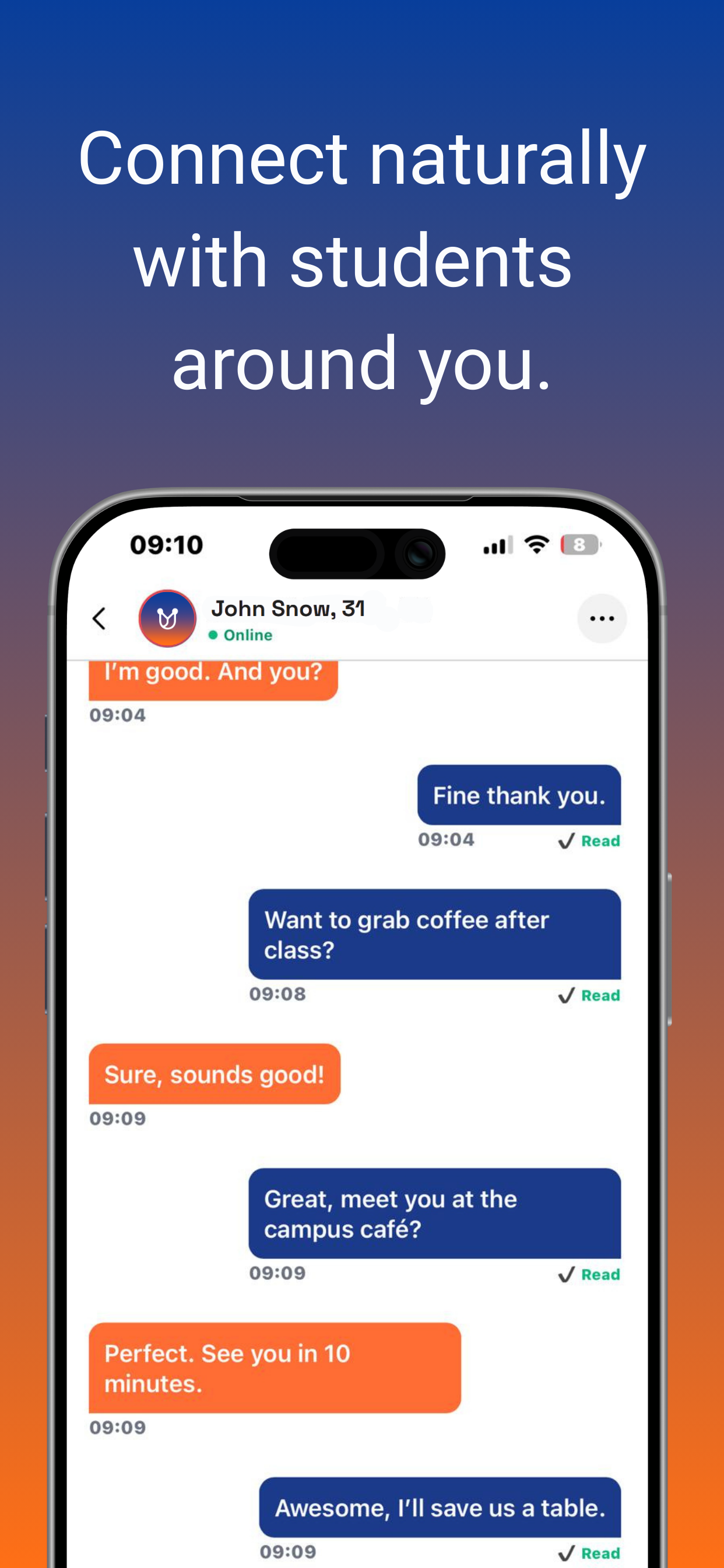
Unera is built for the part of study abroad that generic destination guides do not solve: finding nearby students, discovering useful plans, starting conversations and keeping momentum after the first week.
In Japan, this matters because student discovery is fragmented. People move through campus systems, circles, international offices, messaging apps, hobby groups and neighborhood routines. Unera brings the people and plan layer closer together.
1Find nearby students
See people around your city with social context, not anonymous lists.
2Discover plans
Find events and activity around the routines students actually use.
3Keep contact moving
Turn first meetings into chat, follow-up and a real student routine.
FAQ
Useful questions about Erasmus in Japan
Is Japan good for Erasmus or study abroad students?
Yes. Japan is a strong route for students who want safe cities, reliable transport, strong universities and a semester shaped by routine, campus life and cultural immersion rather than only party density.
Can you do Erasmus in Japan?
Students often use Erasmus in Japan as shorthand for exchange or study abroad in Japan. Depending on your home university, the semester may run through Erasmus+ partnerships or through a separate exchange agreement, but the planning questions around city choice, housing, visa and social life are similar.
What are the best cities for international students in Japan?
Is studying abroad in Japan expensive?
Japan varies by city. Tokyo usually puts the most pressure on rent, while Kyoto, Osaka and especially Fukuoka can feel more manageable. Commute choices and housing timing often matter as much as the country average.
How do students meet people in Japan?
Most students meet people through orientation, classes, university clubs or circles, language exchanges, hobby groups, repeated cafes, neighborhood dinners and small follow-up plans. Tools like Unera help connect nearby students and plans when those channels are scattered.
Do international students need a visa for Japan?
Rules depend on nationality and length of stay, but many students need the correct student status, host-school paperwork and resident registration after arrival. Students should verify requirements with their host university, the Japanese embassy or consulate and official Study in Japan guidance before departure.
Download
Download Unera before your study abroad semester in Japan starts
Use Unera to discover nearby students, find local plans and turn your first weeks in Japan into real social momentum.